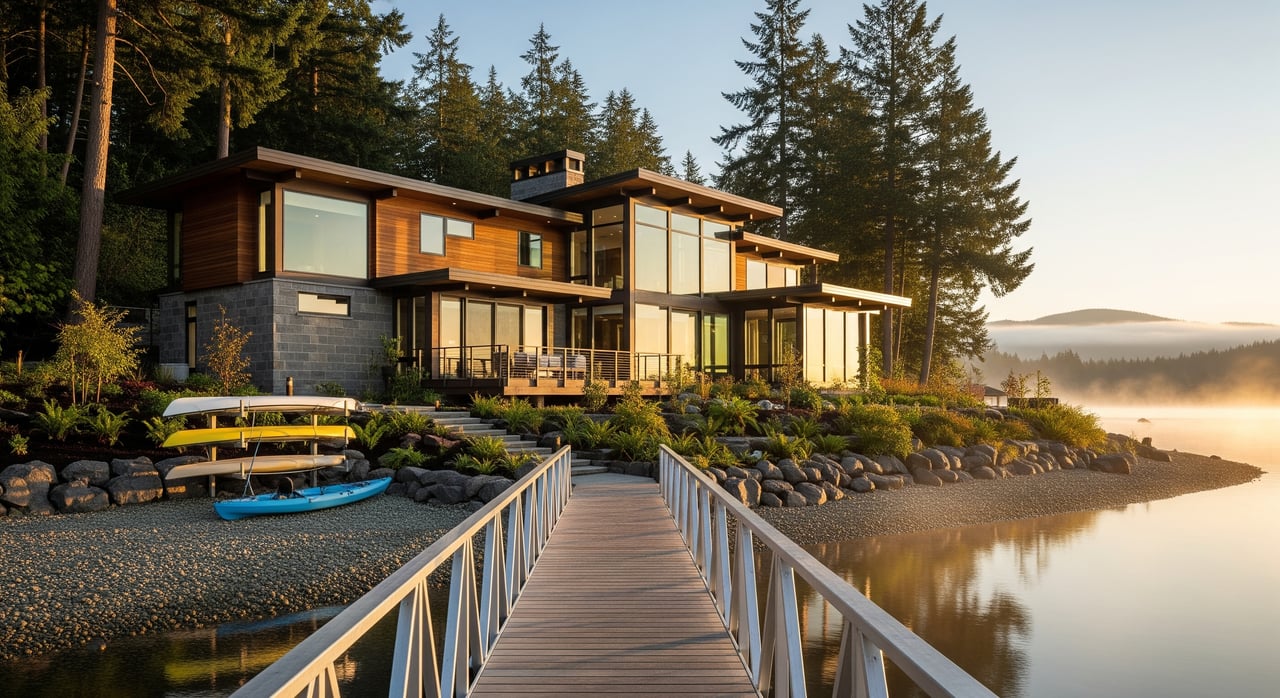
Buying Waterfront Homes in Camas With Confidence
December 18, 2025
December 18, 2025
Dreaming about mornings on Lacamas Lake or a sunset view of the Columbia, but not sure where to start? Waterfront homes in Camas can deliver a peaceful lifestyle with easy access to trails and water, yet the rules and risks are different from standard properties. You want clarity on permits, insurance, and what to inspect before you fall in love. This guide breaks down the basics so you can shop with confidence and plan your next steps. Let’s dive in.
Camas offers several waterfront options within 98607. You will see homes on Lacamas Lake and Round Lake, properties along creeks or small ponds, and river‑adjacent homes near the Columbia. Some lots offer direct shoreline access, while others sit above the ordinary high water mark, with public trails or parkland between the house and the water.
Your lifestyle goals matter. If you want kayaking or fishing, direct access might be a priority. If you want low maintenance, an elevated view lot may fit better than a steep bank with stairs. Proximity to trails and parks adds value for many buyers, but public use can affect privacy and what you are allowed to change along the shore.
Washington’s Shoreline Management Act guides how waterfront is used across the state, and the City of Camas and Clark County apply those rules locally through their Shoreline Master Programs. You can review state guidance through the Washington Department of Ecology’s Shorelines Program, then confirm local details with City of Camas planning and permits and Clark County planning and critical areas.
If you plan to add or modify a dock, shoreline stairs, or bank protection, expect overlapping approvals. In many cases, you will need a local shoreline permit, a Hydraulic Project Approval from Washington Department of Fish and Wildlife, and sometimes a federal permit from the U.S. Army Corps of Engineers. Shoreline vegetation is often protected, and trimming or removal can require mitigation or replanting.
Floodplain status also matters. Lenders typically require flood insurance when a home lies in a Special Flood Hazard Area. You can check your parcel at the FEMA Flood Map Service Center and learn about coverage through the National Flood Insurance Program. Even simple projects can trigger multiple permits, so build time into your plan.
Flooding is the headline risk, but it is not the only one. Properties inside mapped flood zones are more likely to need flood coverage and may carry higher premiums. Even homes outside a mapped zone can see localized flooding during heavy storms, so review past history and elevation details.
Shoreline erosion and bank stability are key. Steep or high banks deserve a geotechnical look. Some armoring can be permitted, but many programs encourage “soft” stabilization using native plants or bioengineering over hard bulkheads. A qualified engineer can explain tradeoffs and help you assess long‑term maintenance.
Utility setup is another common puzzle. Some outlying parcels may rely on septic systems. High groundwater near shorelines can stress older systems, so an inspection is smart. Confirm sewer availability with the city or county, and check for health advisories or recent recreational water notices through Clark County Public Health.
Expect higher upkeep compared with non‑waterfront homes. Docks, piers, stairs, and shore structures need periodic inspection and repair. Vegetation management and access improvements add to annual costs. Standard home insurance typically does not cover flood, so you may need separate flood insurance through the NFIP or a private carrier. Underwriting can consider flood zone, elevation, mitigation, and claims history.
Before you write an offer, gather the facts and confirm that the property fits your goals. Use this checklist to stay organized:
Waterfront deals move best when you plan for permitting and inspections upfront. Build in time for a flood risk review, a geotechnical opinion if the bank is steep, and an evaluation of any dock or shoreline structure. If you intend to add or modify a dock or bulkhead, factor in multiple approvals and seasonal fish‑window restrictions that can affect work timing.
Local agencies encourage early conversations. Pre‑application meetings with city or county staff can clarify exactly which permits you need and how long they might take. This helps you set realistic contingencies and closing dates. It also reduces surprises that could delay your move‑in or impact your plans after closing.
You deserve clear guidance and a smooth path to the water. As an educator‑led, boutique team, we translate technical steps into a simple plan. We coordinate inspections, connect you with vetted engineers and shoreline consultants, and help you verify permits and maintenance records before you commit. Our cross‑border Oregon and Washington experience and specialty in waterfront and land transactions mean you get practical advice tailored to Camas.
When you are ready to explore waterfront homes in 98607, we will help you balance lifestyle goals with a defensible due‑diligence plan. If you want to kayak from your backyard, enjoy elevated views with lower maintenance, or understand what a future dock project might require, we will walk you through every step.
Ready to take the next step toward a Camas waterfront home? Connect with Wings NW Real Estate to map your options, plan due diligence, and shop with confidence. Let’s navigate your next move — schedule a strategy call.

A Northwest Tradition Worth Discovering






Camas Plein Air

work with us
Ready to love where you might land next? Contact us!

19363 Willamette Dr #161 West Linn OR 97068 701 NE 136th Ave, 2nd Floor Vancouver, WA 98684