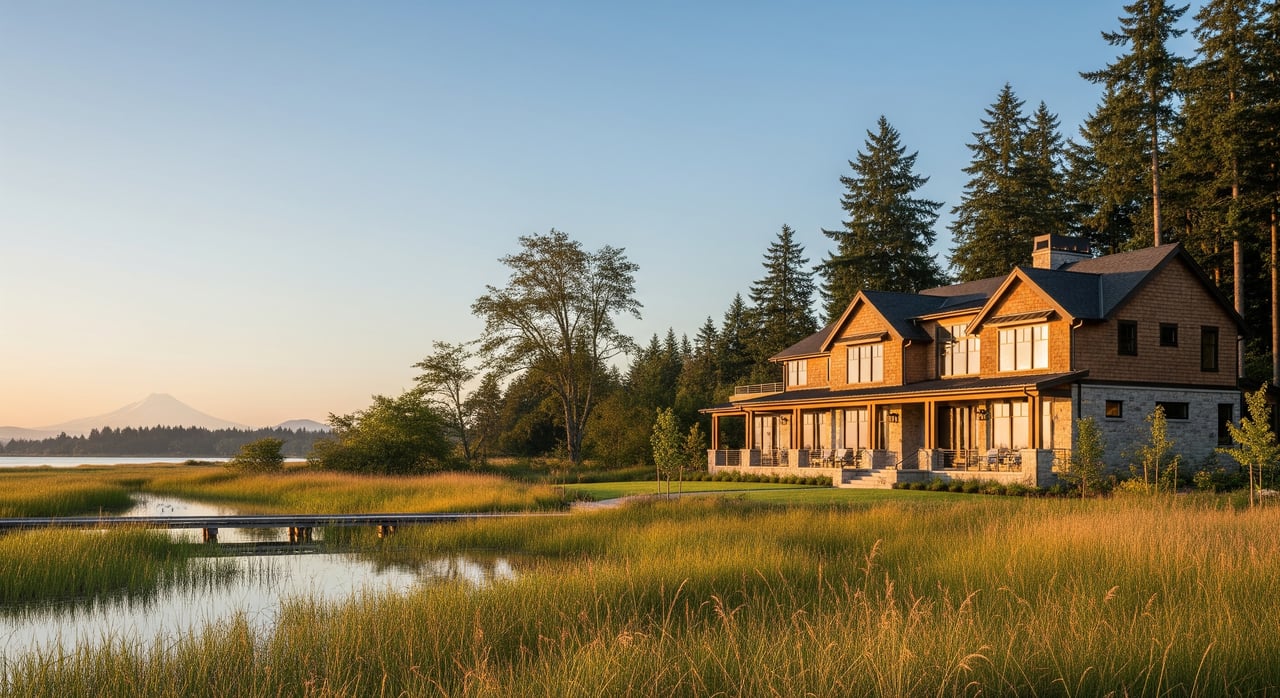
Ridgefield WA Real Estate Investment Insights
January 15, 2026
January 15, 2026
Thinking about putting your money to work in Ridgefield, Washington? You’re not alone. The small city has been growing faster than much of Clark County, thanks to fresh housing, a peaceful vibe, and easy access to bigger job centers. If you want a clear, practical look at whether Ridgefield fits your strategy, you’re in the right place. You’ll learn what drives demand, how new supply could shape returns, what rules and risks to watch, and the due diligence steps that smart investors follow. Let’s dive in.
Ridgefield sits on the north side of the Portland–Vancouver metro, with a small-town feel and quick access to amenities. Many buyers are drawn to the Ridgefield National Wildlife Refuge, local parks and trails, and a quieter suburban setting that still reaches jobs in Vancouver and Portland. That lifestyle pull supports steady interest in single-family homes.
Growth has also been fueled by new subdivisions and master-planned communities. For investors, new construction can mean modern floorplans, lower maintenance, and predictable operating costs. Regional job growth across healthcare, education, logistics, manufacturing, and nearby tech corridors supports long-term housing demand from commuters and families.
Key takeaway: Ridgefield’s demand is shaped by lifestyle appeal plus metro access. Your returns will depend on matching property type and price point to that demand.
Ridgefield’s proximity to Interstate 5 is a major advantage. Many residents commute south to Vancouver, Salmon Creek, and into Portland. Commute times and congestion on key links can influence both rentability and resale. Investors should track road improvements and public works plans that might change access or travel times.
Public transit options are more limited than in denser parts of the metro. Most commuting is car-based. Keep an eye on C-TRAN service updates and any planned expansions that could increase transit accessibility for renters and homeowners.
Ridgefield has been adding new subdivisions and phases, bringing a steady stream of single-family homes and townhomes to market. Additional supply can moderate price growth, but it also creates opportunities to buy newer product that tenants value. Understanding the pace of building permits, phase timing, and occupancy trends helps you gauge near-term competition.
Infrastructure drives the feasibility of new projects. Sewer, water, stormwater, and associated impact or connection fees are essential line items for your underwriting. Developers often phase construction based on capacity. If you plan to build, add an ADU, or convert a property, confirm whether utilities are already in place, what fees apply, and how long permitting typically takes.
Future zoning and annexation can reshape investment potential. The city’s comprehensive plan and growth-area maps outline where urban expansion is expected, which can shift parcels from rural to urban designations over time. This can influence land value, allowed density, and timing for development.
The most common product in Ridgefield is newer single-family detached homes. These homes tend to attract families and commuters who value space and modern amenities. As an investor, you may see lower maintenance costs in the early years and consistent demand if your pricing and finishes align with the local market.
Townhomes and small multifamily properties are becoming more common as Ridgefield grows. These can offer a lower entry price per door and can broaden your tenant pool. If you are considering small multifamily, verify zoning and design standards to confirm permitted density and any design or parking requirements.
Washington State has supported the expansion of accessory dwelling units in many cities. If you plan to add an ADU or use a house-hack strategy, review Ridgefield’s municipal code for ADU size limits, owner-occupancy rules, parking, and permit steps. This can be an effective way to offset a mortgage or create a second income stream within a single parcel.
On the city’s fringes and in county-zoned areas, you can find acreage properties. These appeal to buyers who want land for hobbies, boarding, or light agricultural uses. Due diligence is deeper on rural property. You should investigate wells, septic systems, access, easements, and any critical area constraints before you buy.
Zoning determines what you can build or add. Review the city’s zoning map, design standards, and permitting process early, especially for ADUs, small multifamily, or change-of-use plans. Pre-application meetings with planning staff can clarify timelines and fees and help you avoid costly surprises.
Many new subdivisions in Ridgefield are governed by HOAs. Covenants, conditions, and restrictions can affect rental policies, exterior modifications, and the type of improvements you can make. Read the CC&Rs carefully and factor dues and potential special assessments into your operating costs.
Washington has no state income tax. Property taxes and local levies fund services in Clark County. To understand your tax load, consult the county assessor for current levy rates, assessment methods, and recent revaluation cycles. Build conservative tax assumptions into your pro forma.
Parts of Ridgefield sit near wetlands and the Ridgefield National Wildlife Refuge. Some parcels fall within FEMA flood zones or critical areas that trigger setbacks, mitigation, or specialized permits. Flood insurance and wetland-related requirements can add cost and time. Seismic risk is a regional consideration, so verify that structures meet current building standards and review your insurance coverage accordingly.
Short-term rentals can face city and county rules, including registration or occupancy limits. Confirm Ridgefield-specific requirements before you buy or launch a short-term strategy. Washington State landlord-tenant statutes also apply to long-term rentals, and cities sometimes add local registration.
Use this quick list to pressure-test a Ridgefield opportunity. Verify each item with city and county sources or qualified professionals.
Ridgefield can be a smart fit if your strategy aligns with its fundamentals: suburban demand from commuters and families, a steady pipeline of new homes, and a lifestyle draw anchored by outdoor amenities. The flipside is that more supply, commute constraints, or regulatory shifts can flatten returns. Success here usually comes from buying the right product type in the right location, underwriting with realistic rent and tax assumptions, and doing thorough due diligence on utilities, permitting, and environmental constraints.
If you want a clear, step-by-step plan for evaluating a specific Ridgefield property, we can help you map it out, connect you with local planning and permitting contacts, and pressure-test your numbers with current market data. Ready to go from research to action? Connect with the team at Wings NW Real Estate and let’s build your investment plan.
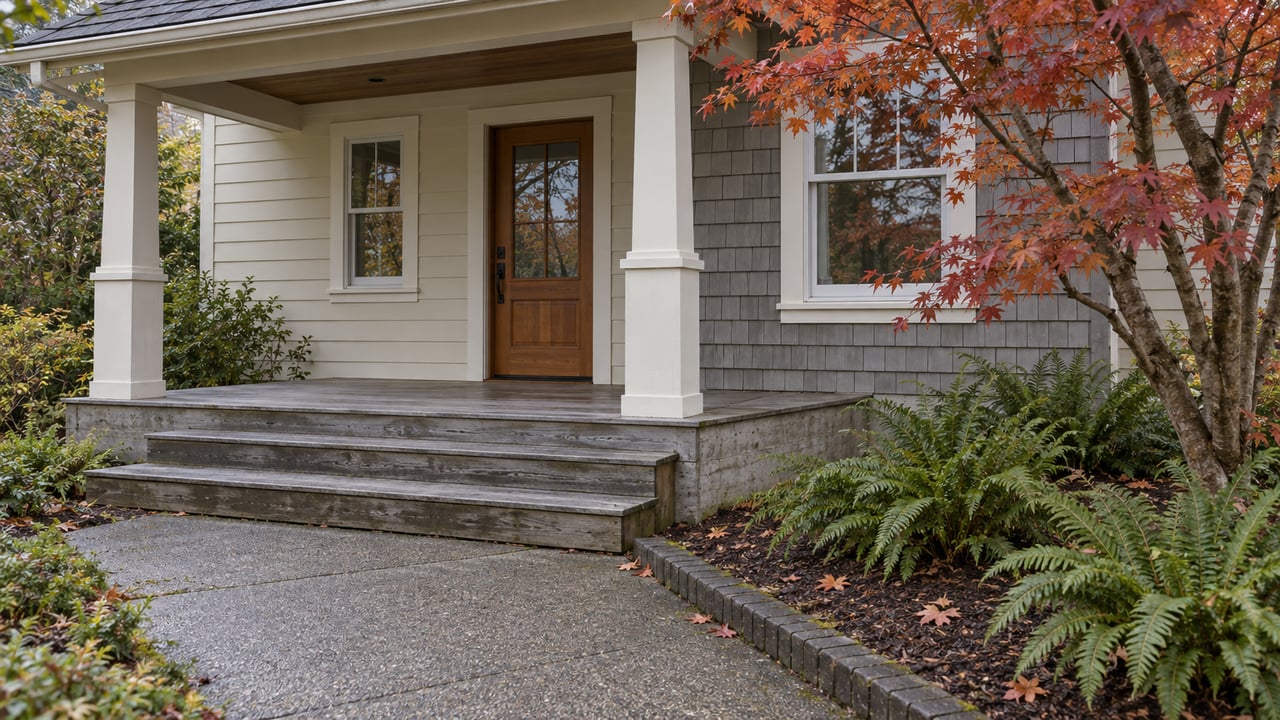

A Northwest Tradition Worth Discovering





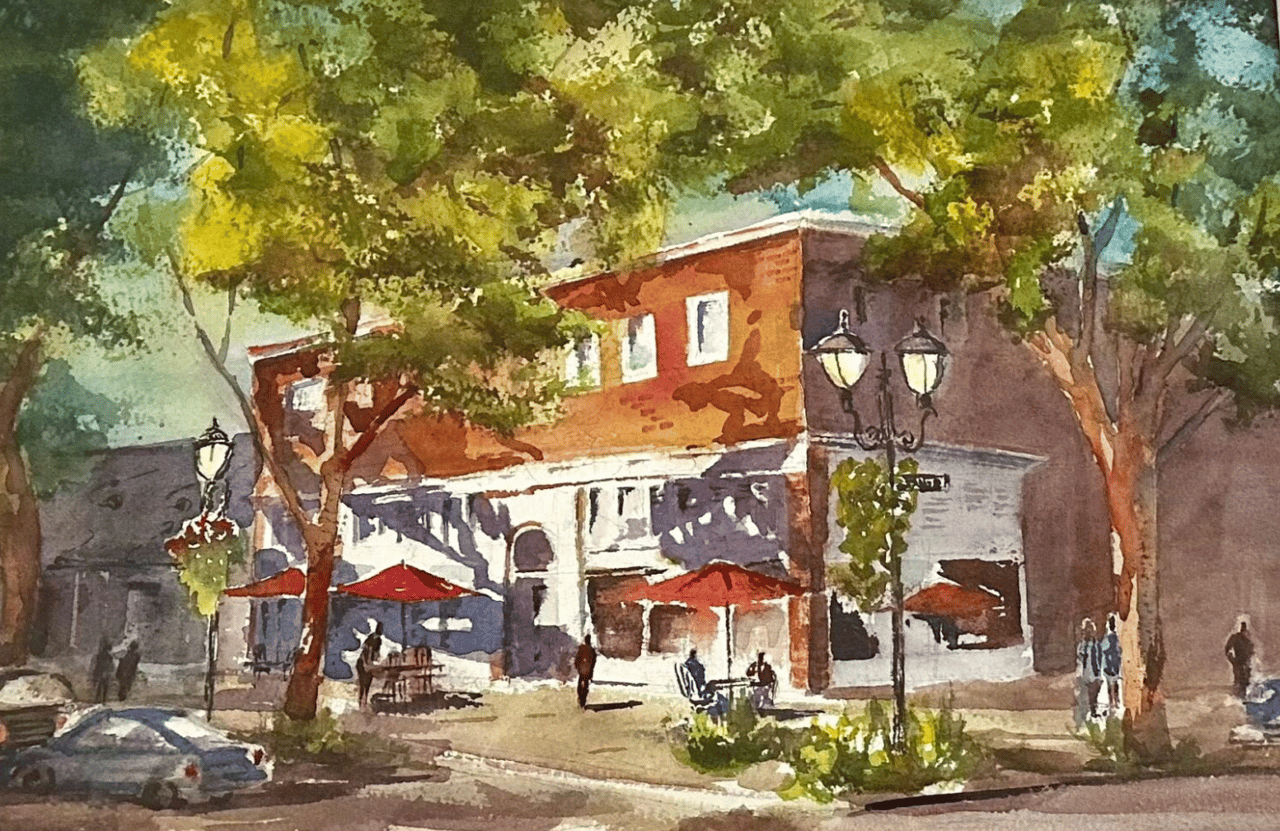
Camas Plein Air

work with us
Ready to love where you might land next? Contact us!
19363 Willamette Dr #161 West Linn OR 97068 701 NE 136th Ave, 2nd Floor Vancouver, WA 98684