Love the look of a classic bungalow in Sellwood-Moreland but worried about what’s behind those charming built-ins and wood windows? You’re not alone. Older Portland homes deliver character, yet they also come with systems and materials that need a closer look. In this guide, you’ll learn the real costs and common quirks of buying a Sellwood bungalow, plus a practical plan to budget, inspect, and preserve the details you love. Let’s dive in.
Why Sellwood bungalows stand out
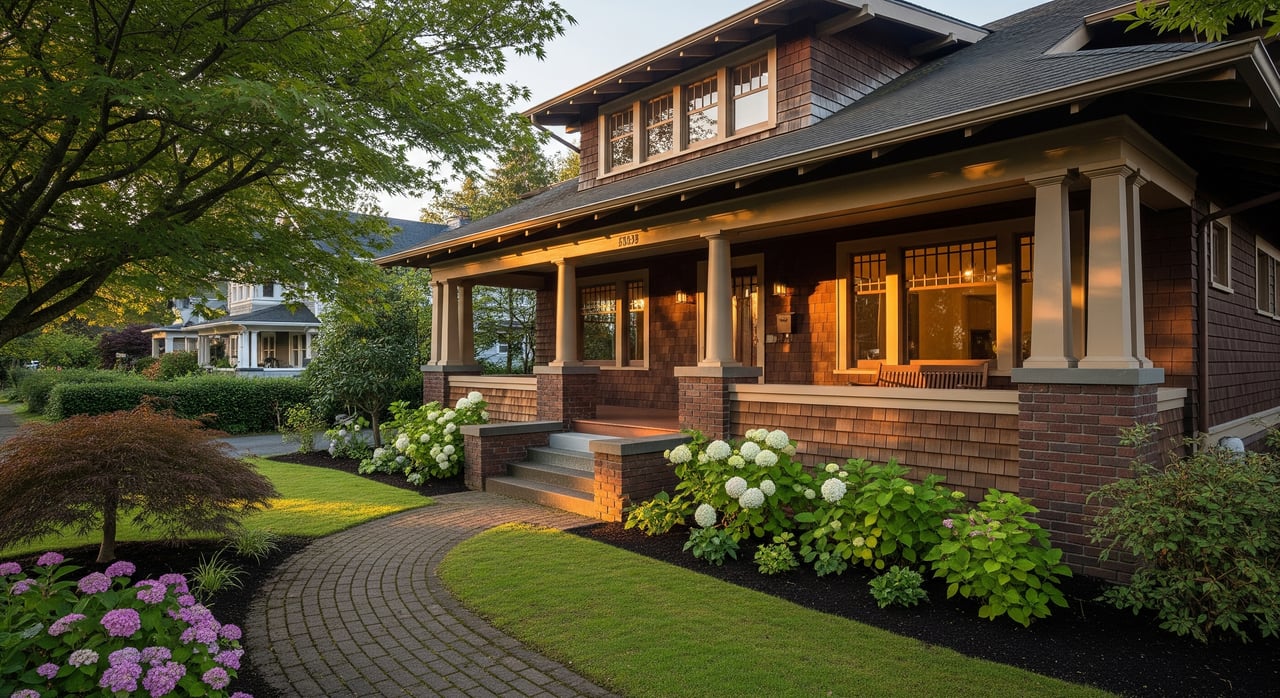
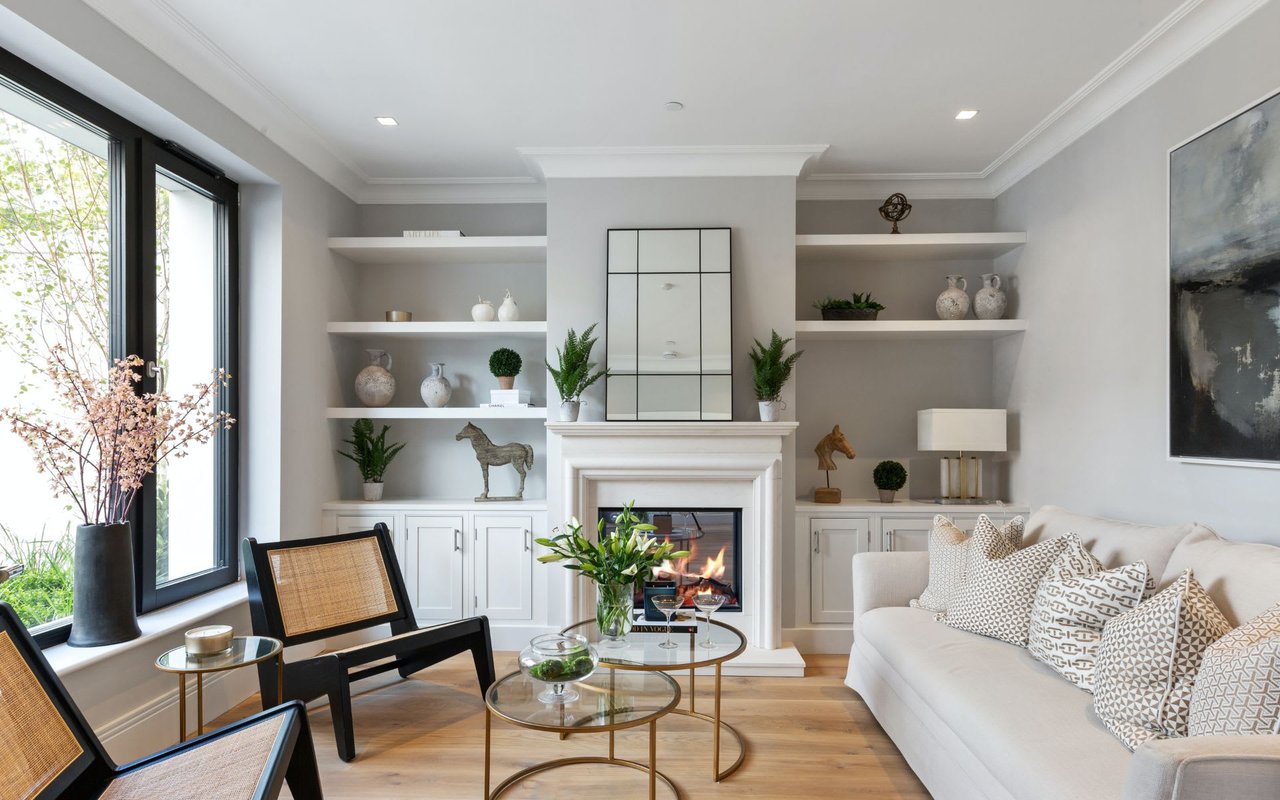
Sellwood-Moreland is known for early 20th-century homes, many built between about 1905 and 1930. You’ll often find original exterior forms, interior trim, fir or oak floors, and built-ins that define the style. Under the surface, expect wood framing, plaster over lath walls, and basements or crawlspaces depending on the lot and era.
Roofs were originally cedar shake, though many now have composition shingles. Original single-pane wood sash windows are common, along with period doors and hardware. Mechanical systems vary, since most homes were updated over time, but central air was not part of the original builds.
The true cost of character
When you shop for a classic bungalow, you’re deciding how much you’ll pay for authenticity versus how much you’ll invest to modernize systems. A well-maintained home with intact features may command a charm premium. A home with older electrical, plumbing, or foundation issues may be priced lower but require a larger update budget.
Plan your budget across these buckets:
- Major systems: electrical, plumbing, foundation, and heating.
- Building envelope: roof, windows, and insulation.
- Interior finishes: kitchens, baths, floors, and paint.
- Permits, testing, and professional fees.
- Contingency for surprises.
Inspection watch-outs in Sellwood
Older Portland bungalows have reliable patterns. Here’s what to expect and how to act on it.
Electrical
- What to expect: knob-and-tube or early ungrounded wiring in very early homes. Panels and circuits updated in stages over decades.
- Why it matters: safety concerns and potential insurance or loan challenges if significant knob-and-tube remains.
- What to do: order a full electrical inspection. Check panel capacity and grounding, and plan for partial or full rewiring if needed.
Plumbing
- What to expect: galvanized steel supply lines in pre-1960 homes and cast-iron drain lines.
- Why it matters: corrosion and low water flow from galvanized supply, plus cast-iron drain wear and root intrusion.
- What to do: get a sewer scope, evaluate the need for repiping with copper or PEX, and plan for fixture updates.
Foundation, crawlspace, and soils
- What to expect: original concrete or pier foundations, limited crawlspace clearance, and unbraced cripple walls in some homes.
- Why it matters: settlement, moisture damage, and earthquake vulnerability if sill plates and cripple walls are not bolted and braced.
- What to do: call a structural pro if you see cracks or sloping. Consider seismic bracing and bolting.
Roof and envelope
- What to expect: older roofs, limited insulation, and single-pane windows.
- Why it matters: potential leaks, energy loss, and water intrusion at roof-to-wall transitions.
- What to do: schedule a roof inspection for age, flashing, and vents. Consider an energy audit when planning upgrades.
Moisture, drainage, and pests
- What to expect: older site drainage, mature trees, and occasional basement or crawlspace moisture.
- Why it matters: rot, mold, foundation undermining, and sewer root intrusion.
- What to do: check grading, gutters, and downspouts. Address crawlspace moisture. Order a pest inspection if there’s evidence.
Hazardous materials: lead and asbestos
- What to expect: lead-based paint in pre-1978 homes and possible asbestos in some older flooring, insulation, or pipe wrap.
- Why it matters: health risks during renovation and abatement costs for certain work.
- What to do: follow federal lead disclosure rules, test before disturbing materials, and use licensed abatement contractors when required.
Unpermitted work and past alterations
- What to expect: piecemeal kitchen and bath remodels or basement conversions done over many years.
- Why it matters: code issues can complicate permits and add correction costs.
- What to do: review City of Portland permit records and budget to bring work up to current code if needed.
Historic features versus replacements
- What to expect: original trim, built-ins, stained glass, and wood windows.
- Why it matters: restoration preserves character and often value, while replacements can be lower maintenance but change the aesthetic.
- What to do: compare contractor bids for restoration and replacement. Confirm if historic review applies before exterior changes.
Budget planning that works
Every home is different, but planning ranges help you think in the right scale. Local bids will provide the real numbers once you’re in contract.
Typical scopes to plan for:
- Electrical: a panel upgrade and partial rewiring often lands in the low to mid thousands. Full rewiring is commonly in the low to mid five figures, depending on size and access.
- Plumbing: isolated fixes are modest, while whole-house repiping often runs several thousand to low five figures.
- Foundation and structure: minor patching is a few thousand, and major repairs can reach tens of thousands.
- Roof replacement: mid-range single-family roofs usually fall in the mid thousands to low five figures based on material and pitch.
- Windows: restoration and weatherstripping generally cost less than full replacement; whole-house replacement can reach the mid five figures.
- Insulation and energy work: targeted air sealing and insulation are often a few thousand, while deep energy retrofits are larger.
- Lead/asbestos: testing is relatively low cost; abatement varies and can add several thousand based on scope.
- Sewer: a camera inspection is inexpensive; lateral replacement can be several thousand to over ten thousand depending on access.
Use this simple allocation as a starting point:
- Major systems: 30 to 50 percent.
- Envelope: 20 to 35 percent.
- Interiors: 15 to 30 percent.
- Permits, testing, and professional fees: 5 to 10 percent.
- Contingency: 10 to 20 percent.
Tip: Set aside a 10 to 20 percent contingency for hidden issues, especially if walls or floors will be opened.
Preservation vs. replacement
You do not have to pick one path for every feature. Many buyers keep original wood windows, repair sash cords, and add weatherstripping to improve comfort while preserving the look. Others prioritize low maintenance and choose high-quality replacements, especially where damage is severe.
Before deciding, ask two questions:
- Will restoration meet your comfort and maintenance goals for the next 10 years?
- Would replacement trigger historic review or alter key street-facing details?
Gather two to three bids for both approaches. A side-by-side scope helps you compare cost, timeline, and the long-term feel of the home.
Financing and incentives
Most buyers use conventional financing. If inspections reveal bigger scopes, renovation loans like FHA 203(k) or Fannie Mae HomeStyle can combine purchase and rehab into one loan. Requirements vary, so work with a lender experienced in rehab products.
Energy upgrades may qualify for incentives through local programs such as Energy Trust of Oregon. In some jurisdictions, seismic retrofit grants or loans may be available; check current offerings with the City of Portland or Multnomah County. If a property is near water, verify whether it sits in a regulated floodplain by reviewing FEMA flood maps.
Due diligence checklist
Use this step-by-step plan to keep your purchase on track.
- Pre-offer
- Review listing details for system ages and seller disclosures. Expect a lead paint disclosure for pre-1978 homes.
- Ask for permit history and documentation on past renovations.
- Study comparable bungalow sales to understand any premium for condition and preserved features.
- Inspection phase
- Hire a licensed home inspector with older-home experience.
- Order specialty inspections as needed: sewer scope, structural or engineer review, chimney check, and pest inspection.
- Electrical: verify panel capacity and wiring type. Note any remaining knob-and-tube.
- Plumbing: scope the sewer lateral if age or material is uncertain.
- Post-inspection
- Get two to three contractor bids for recommended work.
- Separate safety or lender-required items from cosmetic upgrades.
- Explore renovation financing if the scope is larger.
- Permits and historic considerations
- Check City of Portland permit records and any historic district rules before planning exterior work.
- Expect that unpermitted work may need retroactive permits or corrections.
- Closing and construction planning
- Build a realistic schedule. Older homes can reveal new issues once work begins.
- Track all costs and maintain your contingency.
Local rules and historic overlays
Parts of Sellwood-Moreland appear in Portland’s Historic Resource Inventory. Some properties or districts may require review for exterior changes, especially street-facing elements. Before you replace windows or modify the exterior, confirm whether historic rules apply and how they affect your timeline and budget.
Ready to land your Sellwood bungalow?
A classic bungalow can be a smart long-term choice when you balance character with a clear plan for systems and maintenance. With the right inspections, realistic budgets, and a strategy for preserving what matters most, you can enjoy the best of Sellwood’s historic charm without costly surprises. If you want a step-by-step plan, referrals for inspectors and contractors, or help comparing bids, we’re here to guide you from first tour to final walk-through.
Let’s chart your course. Connect with Wings NW Real Estate to get a clear plan for buying your Sellwood-Moreland bungalow.
FAQs
What makes Sellwood bungalows unique?
- Many were built between about 1905 and 1930 and still feature original woodwork, built-ins, fir or oak floors, and single-pane wood windows.
How much should I budget for updates on a 1915 Sellwood bungalow?
- Plan by category and set aside a 10 to 20 percent contingency. Systems, roof, insulation, and windows often drive most of the spend.
Are single-pane wood windows a dealbreaker in older Portland homes?
- Not necessarily. Restoration and weatherstripping can improve comfort while preserving character. Replacement is an option if preservation is not a priority.
Which inspections are must-haves for older bungalows in Portland?
- A general home inspection plus a sewer scope are common. Add electrical, structural, chimney, pest, and lead or asbestos testing if you plan renovations.
Can I finance repairs as part of the purchase?
- Yes. Renovation loans like FHA 203(k) and Fannie Mae HomeStyle can combine purchase and rehab. Work with a lender familiar with these products.
Do historic rules limit exterior changes in Sellwood-Moreland?
- Some properties may be in historic districts or inventories that trigger review for exterior changes. Always check City of Portland requirements before you start.