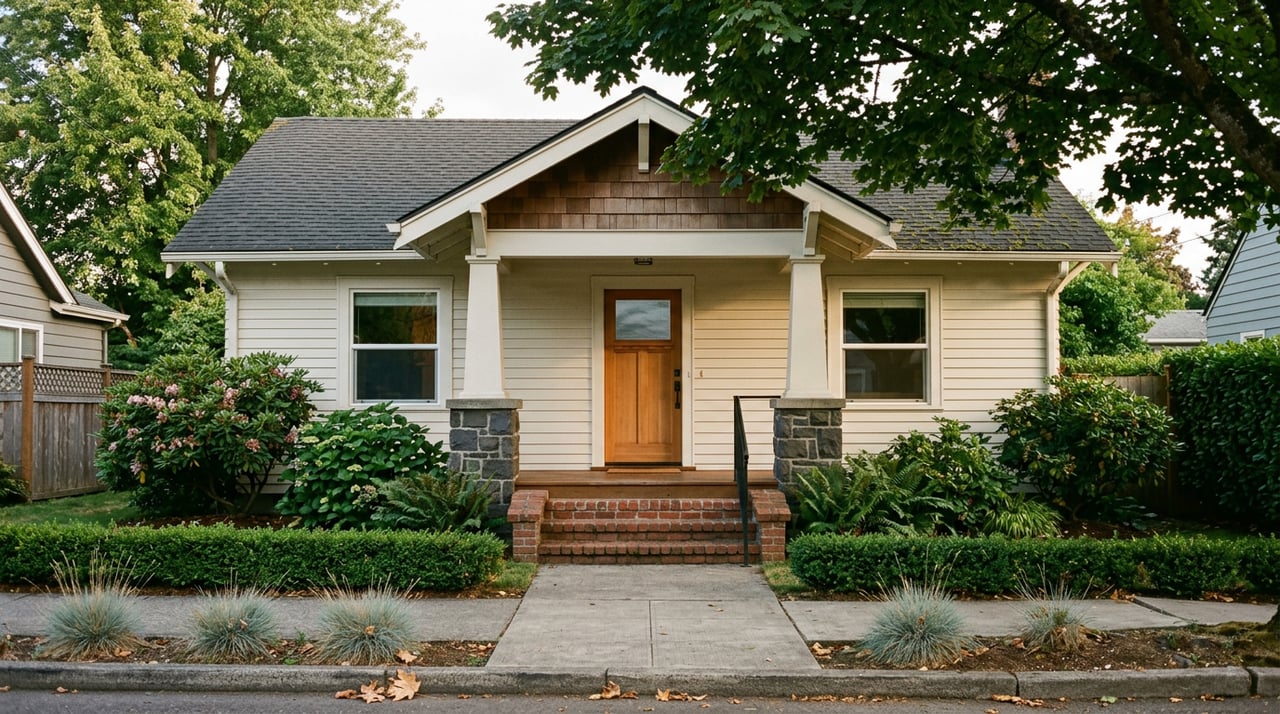
Sellwood-Moreland Walkable Living for One-Car Households
March 5, 2026
March 5, 2026
Thinking about dropping your second car but not sure if Sellwood-Moreland makes it practical? You are not alone. Many Portland households want more freedom, lower costs, and a simpler routine without sacrificing convenience. In this guide, you will learn how far you can go on foot or bike, what transit really looks like day to day, and how to test a one-car strategy before you commit. Let’s dive in.
With a Walk Score around 81, Sellwood-Moreland is considered Very Walkable, which means most errands can be done on foot for many addresses (Walk Score neighborhood profile). The compact commercial corridors on SE Milwaukie Avenue and SE 13th Avenue cluster coffee, restaurants, small grocers, and services within short blocks. The neighborhood’s main site highlights a small-town retail feel and easy access to local businesses that support short, frequent trips (Sellwood-Moreland neighborhood overview). If you want to rely on walking, look closely at homes within about a quarter to a half mile of these corridors.
Sellwood-Moreland is also a biker’s paradise, with strong infrastructure and regional connections. The Springwater Corridor offers a paved, low-stress route into downtown and across the eastside, making bike commuting pleasant for many riders (Springwater Corridor overview). The Sellwood Bridge includes shared sidewalks and bike lanes, so cross-river trips are feasible without a car. If you plan to go car-light, prioritize secure bike storage in your home or building since safe, convenient storage can matter more than even a short distance to the trail.
Active transportation is easier when parks are close. Oaks Bottom Wildlife Refuge, Sellwood Riverfront Park, Westmoreland Park, and Oaks Amusement Park are all within short walk or bike range, which means dog walks, playground time, and after-dinner laps can fit into a no-car or one-car routine (Visit Oaks Bottom).
Two nearby MAX Orange Line stops, SE Bybee Blvd and SE Tacoma/Johnson Creek, connect you straight to downtown, PSU, and the inner eastside. Service generally runs every 15 to 30 minutes depending on time of day. Always check current times for your exact origin and destination before you plan a commute (TriMet schedules).
Bus routes on SE Milwaukie and through the 13th Avenue commercial area provide short hops around the neighborhood and additional links to MAX and job centers. Neighborhood resources summarize local get-around options, which can help you piece together a smooth daily routine without driving for every trip (Neighborhood get-around info). In 2024, TriMet launched Line 40, which strengthens cross-river service across the Sellwood Bridge and connects to job areas like Swan Island and the Rose Quarter. Frequency varies by time and day, but it runs roughly every 30 minutes on many weekdays (TriMet on Line 40 improvements).
If you keep just one car, Park & Ride facilities make it easier to drive occasionally, then switch to transit the rest of the way. The SE Tacoma/Johnson Creek station area includes both a Park & Ride and a Bike & Ride, which is a practical fallback for weekend trips or infrequent appointments that sit beyond bus or rail coverage (SE Tacoma/Johnson Creek station details).
AAA’s Your Driving Costs study shows that owning and operating a vehicle adds up to many thousands of dollars per year, even before big repairs. Cutting a second car can return a meaningful sum to your budget. You will still want to plan for occasional rideshare or rentals, but for many households the net savings are significant (AAA 2024 Your Driving Costs). For late-night or airport trips, rideshare is widely available across Portland and can be a cost-effective substitute for infrequent drives (Rideshare to PDX example route).
Parts of Sellwood sit on a bluff, and some streets are steep. That can affect how comfortable walking or biking feels, especially for anyone with mobility considerations. When you evaluate a specific address, map the route to the nearest commercial corridor and note any hills along the way. Small differences in elevation or a dead-end block can change whether you grab the bike or keys.
Here is a quick address-level checklist to gauge one-car feasibility:
You will find a wide mix of homes here: early 20th-century Victorians and Craftsman bungalows, cottage-scale homes, duplexes, and small apartment buildings. Some recent infill and mid-rise apartments or condos appear near the main corridors, sometimes with structured parking. Many older homes do not have large garages, which can influence whether a household comfortably keeps more than one car (Neighborhood housing overview).
As a reference point, the Zillow Home Value Index estimated an average Sellwood-Moreland home value of about 610,186 dollars with data through December 31, 2025. Other aggregator snapshots placed the neighborhood in the roughly 600,000 to 640,000 dollar range around late 2025 into early 2026. Prices vary by micro-location, property condition, and lot characteristics, so use these as directional only and verify the latest data when you are ready to shop.
Try a two-week pilot before you drop the second vehicle:
For many households in Sellwood-Moreland, a one-car lifestyle is realistic. Walkable commercial streets, the Springwater Corridor, MAX Orange Line access, and the Line 40 bus make it possible to cover commutes and errands without driving a second vehicle. Whether it works for you depends on your schedule, trip patterns, and comfort with the occasional rideshare or Park & Ride. If you want help evaluating addresses block by block, we are happy to be a sounding board.
Ready to explore homes and micro-locations that fit a car-light lifestyle? Let’s connect and map out options together with Wings NW Real Estate.

Camas Plein Air



work with us
Ready to love where you might land next? Contact us!
19363 Willamette Dr #161 West Linn OR 97068 701 NE 136th Ave, 2nd Floor Vancouver, WA 98684