Trying to decide between Portland’s Eastside and Westside suburbs? You have great options on both sides of the Willamette, which can make the choice feel overwhelming. You want the right mix of commute, schools, home style, and community feel without second-guessing your decision later. In this guide, you’ll get a clear, side-by-side look at how the east and west suburbs compare, plus real neighborhood snapshots to help you narrow your list. Let’s dive in.
How to frame your choice
Before you compare maps and listings, get clear on five essentials:
- Commute and transit: Where do you work and how will you get there most days?
- Schools and boundaries: Which districts and programs matter to you, and where are the lines?
- Housing style and lots: Do you prefer older character homes or newer subdivisions and larger lots?
- Lifestyle amenities: Walkable main streets and bike paths, or quiet cul-de-sacs and larger yards?
- Budget and value: How do prices vary by area and what tradeoffs are you comfortable making?
Commute and transit differences
Portland’s transit network and highways shape daily life. Average one-way commute times are similar by county overall, which means micro-location and route matter most for you.
- County averages: Multnomah County is about 24 to 25 minutes, Washington County is about 24 minutes, and Clackamas County is about 26 to 27 minutes, based on ACS QuickFacts. Individual trips vary by route and time of day. You can review the county snapshot on the Census site for context (U.S. Census QuickFacts).
East and south corridors
- MAX Orange Line serves the Milwaukie and inner SE corridor into downtown, which makes car-light living more feasible if you’re near a station (TriMet MAX Orange Line).
- I‑205 and McLoughlin Blvd/OR‑99E are the primary south and southeast driving corridors. Bridge crossings like Tilikum Crossing and Sellwood Bridge can be chokepoints at rush hour.
Westside corridors
- Beaverton is a major hub with the Beaverton Transit Center, connecting MAX Blue/Red lines, WES commuter rail, and bus service (TriMet Transit Centers). This suits commuters heading to downtown or Westside employers.
- Many Westside suburbs rely on US‑26 (Sunset Highway) and OR‑217. Interchanges can back up at peak times, so proximity to these routes can influence your daily rhythm.
Pro tip: Decide whether you need a “one-seat” transit ride or if you’re comfortable with transfers or a park‑and‑ride. If you’ll mostly drive, test your route at your actual commute time.
Schools and boundaries
School district lines are a major factor in pricing and demand around the metro. Programs and offerings vary by district, and boundaries can change. Always verify attendance by specific address and review district resources directly:
Use neutral, factual criteria as you compare: attendance boundaries, feeder patterns, program availability (AP/IB, dual language), and the Oregon Department of Education report cards accessed through each district.
Housing styles and lots
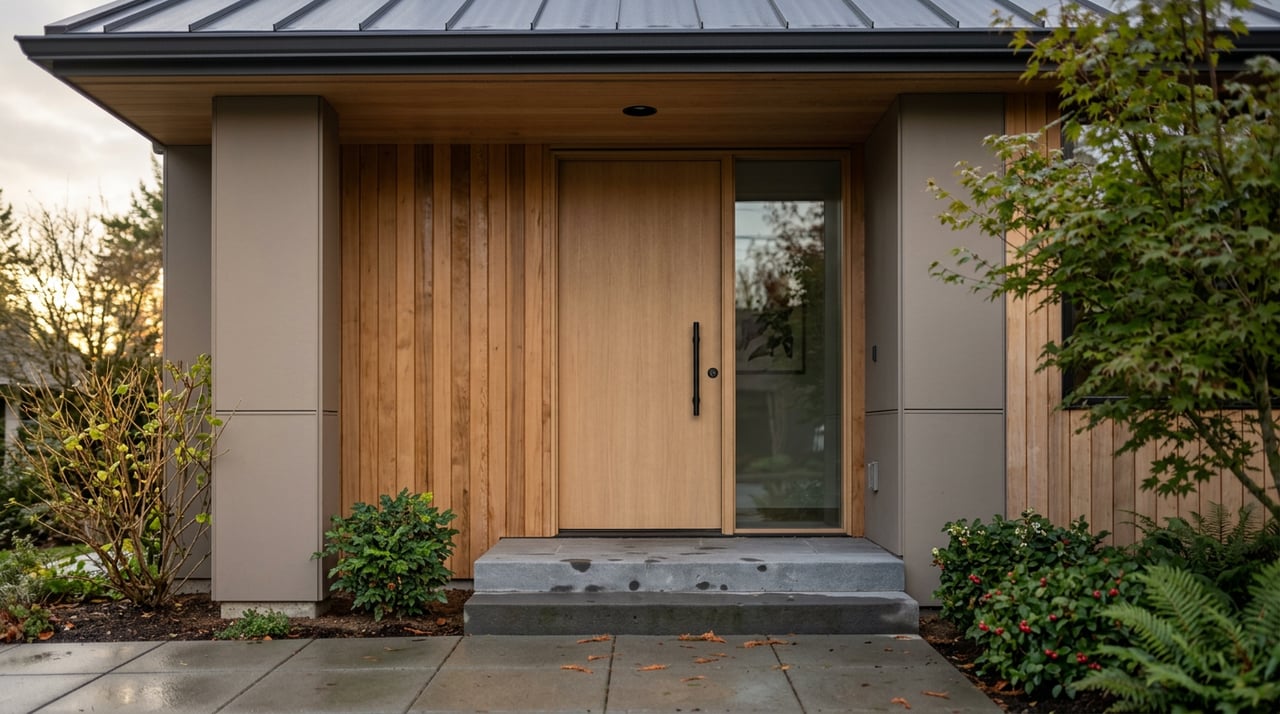
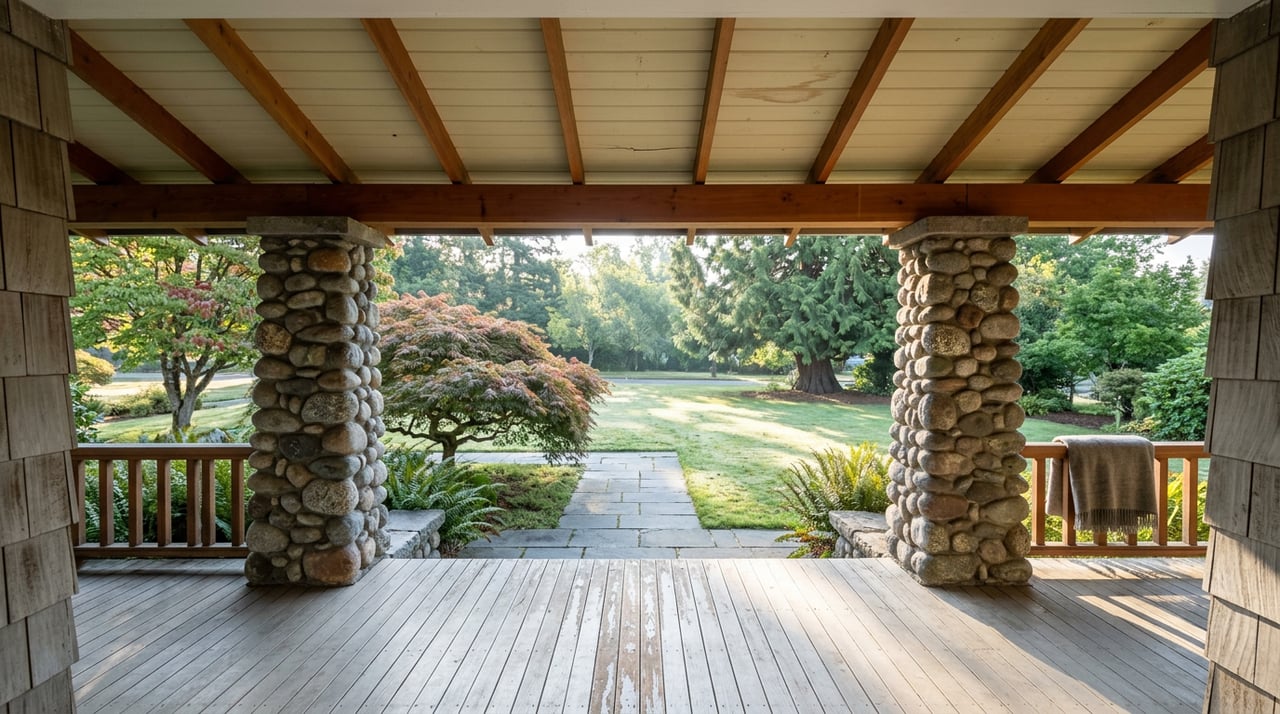
- Eastside close‑in neighborhoods (inner SE/NE such as Sellwood‑Moreland, Laurelhurst, and nearby pockets) often feature early‑20th‑century bungalows and Craftsman homes on smaller lots. You’ll find a strong “urban/suburban” feel with walkable main streets and established trees.
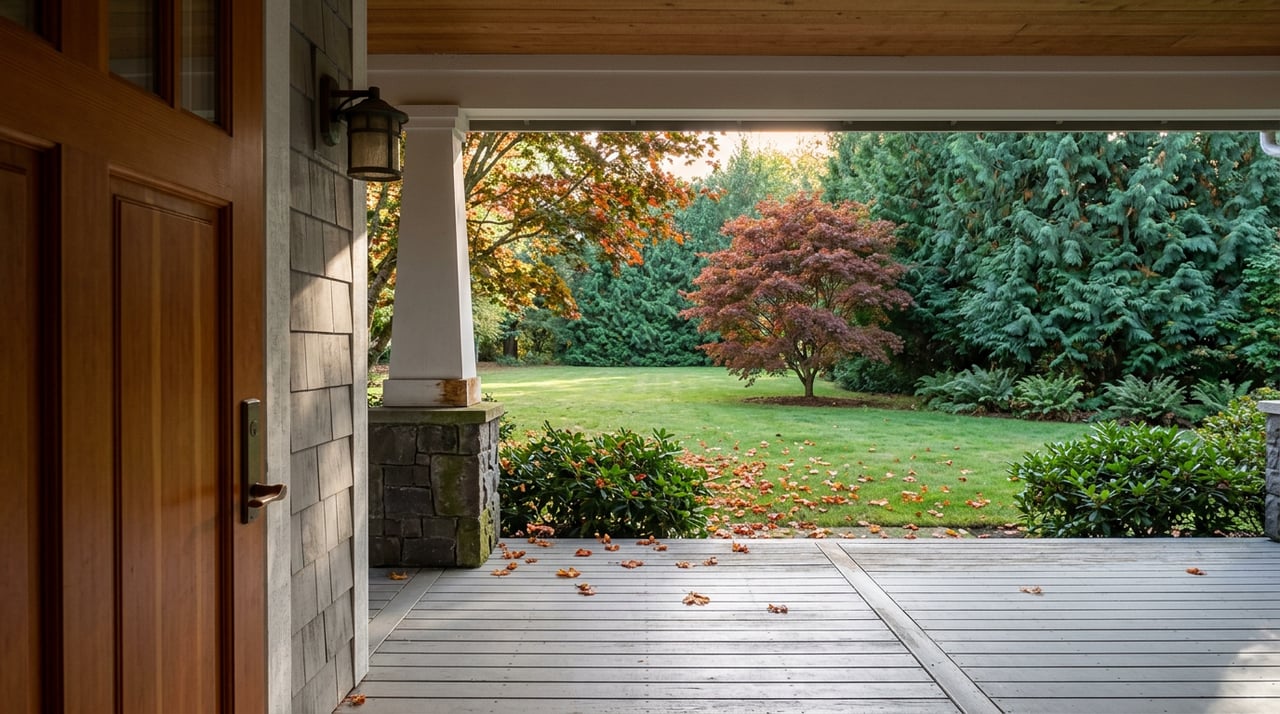
- Westside suburbs (Beaverton, Hillsboro, Aloha) tend to have more post‑1940s and post‑1970s development, with planned subdivisions, cul‑de‑sacs, and a higher share of newer construction. In south suburbs like West Linn, larger lots are common and many homes are single‑family with a wooded or river‑adjacent feel.
Your preference for character homes versus newer layouts, garage capacity, and yard size can quickly point you to one side or the other.
Price and value checkpoints
Portland‑metro pricing sits mid‑range for West Coast midsize metros, but it varies by area and data source.
- Big picture: RMLS Market Action (Nov 2025) reports a metro median sale price around $549,900 year‑to‑date. MLS figures are a strong local benchmark.
- Portals differ: Redfin and Zillow often show slightly different medians for the same area due to methodology and timing. Always note the provider and date, and compare a few sources when you get serious about a specific neighborhood.
As you evaluate neighborhoods, focus on value drivers: commute, school boundaries, age and condition of housing stock, lot size, and access to amenities.
Neighborhood snapshots: east vs west
Sellwood‑Moreland (inner SE Eastside)
- Where it is: Close‑in on the east bank of the Willamette. You’re near the Springwater Corridor and neighborhood retail. MAX Orange Line access is within a short walk from nearby stations like SE Bybee Blvd (SE Bybee Blvd Station).
- Housing and vibe: Older Craftsman bungalows and small‑lot single‑family homes with a walkable main street feel. Many buyers choose Sellwood for classic Portland character and bike/pedestrian access. For a quick sense of walkability, explore a map of the area’s walk score around Sellwood (Sellwood walkability snapshot).
- Price reference: Redfin (Jan 2026) places the median in the low to mid $600Ks. Confirm the latest number as you move forward.
- Schools: Served by Portland Public Schools. Confirm attendance by address through the district site.
Milwaukie (south of SE Portland)
- Where it is: A small city in Clackamas County along the Willamette with its own downtown core. Direct MAX Orange Line service connects from Milwaukie/Main St into the city center (Milwaukie/Main St Station).
- Housing and price: A mix of older historic pockets near downtown and newer infill elsewhere. Redfin (Jan 2026) shows a city median around $435K, though numbers vary by neighborhood and source.
- Schools: Served by North Clackamas School District. Always verify attendance boundaries on the district site.
Beaverton (primary Westside hub)
- Where it is: In Washington County west of Portland, with multiple commercial centers and proximity to major employers. The Beaverton Transit Center ties together MAX Blue/Red lines, WES, and bus service (TriMet Transit Centers).
- Housing and price: Suburban subdivisions with a broad range of single‑family homes and townhomes. Redfin (Feb 2026) shows a city median near $595K, with variation by neighborhood and school area.
- Schools: Served by Beaverton School District, which offers option programs. Verify attendance by address.
West Linn (south suburban choice)
- Where it is: In Clackamas County along a bend of the Willamette, southeast of central Portland. It is largely car‑oriented with bus connections to nearby hubs; MAX does not run through most of West Linn (TriMet Transit Centers).
- Housing and price: Many single‑family homes on larger lots with a wooded and river‑adjacent feel. Zillow’s Home Value Index (Jan 2026) places typical values in the mid to high $700Ks, above the metro median.
- Schools: Served by West Linn‑Wilsonville School District. Confirm boundaries by address.
Lifestyle and amenities
- Eastside highlights: Shorter distances to riverfront parks, the Springwater Corridor, and neighborhood retail districts make walking and biking practical in many inner SE/NE pockets. That convenience can come with smaller lots and older systems to evaluate during inspections.
- Westside highlights: Larger yards and newer construction are common, with suburban shopping centers and easier highway access to Westside job centers. If you value space and a quiet street, you’ll find many options here.
Neither side is one‑size‑fits‑all. Your best fit balances how you live Monday through Friday with what you love to do on weekends.
Quick decision checklist
Use this simple plan to narrow your list to two or three target areas:
- Map the commute you’ll make most often and test it at live times.
- Decide if you need one‑seat transit or are comfortable driving or transferring (TriMet MAX Orange Line).
- Verify school boundaries and review district programs for your priorities (see PPS, North Clackamas, Beaverton, and West Linn‑Wilsonville links above).
- Tour sample homes to confirm you like the typical age, layout, and lot sizes in each area.
- Compare all‑in monthly costs, not just purchase price, factoring in utilities, HOA (if any), and commute costs.
- Recheck price trends from MLS and portals right before you write an offer, since numbers can shift month to month.
Ready to compare specific neighborhoods and properties? We teach first, then guide you through each step — from narrowing areas to negotiating and closing — so you can move with confidence. To start a clear plan tailored to your goals on either side of the river, connect with Wings NW Real Estate.
FAQs
Portland suburbs cost: east vs west
- Some Westside and south suburbs, like West Linn, often price above the metro median, while parts of Beaverton and Hillsboro can be comparable to or below certain close‑in east neighborhoods. RMLS (Nov 2025) shows a metro median around $549,900; always compare current MLS and portal data by neighborhood.
Portland suburban commutes: what to expect
- County averages are similar overall, with Multnomah about 24 to 25 minutes, Washington about 24 minutes, and Clackamas about 26 to 27 minutes, per ACS QuickFacts. Your actual time depends on your route, employer location, and mode; test your drive and review transit options via TriMet.
Car‑free living in Portland suburbs
- Car‑light living is most realistic near MAX hubs like inner SE and Milwaukie (Orange Line) and Beaverton’s transit center. In low‑density suburbs without rail, a car is typically expected. Check station proximity and bus frequency on TriMet before deciding.
School districts and home values in Portland metro
- District reputation and specific attendance boundaries often align with price differences. Compare programs and verify addresses through district tools at Portland Public Schools, North Clackamas, Beaverton, and West Linn‑Wilsonville, and review state report cards for metrics.
Newer homes: which side has more
- You’ll generally find a higher share of post‑1970s subdivisions and newer construction on the Westside and in south suburbs, while close‑in Eastside neighborhoods tend to feature older, early‑20th‑century homes. Tour a few areas to confirm which style fits you best.