West Linn vs Lake Oswego: Which City Fits Your Move?
May 7, 2026
May 7, 2026
Trying to choose between West Linn and Lake Oswego? If you are weighing your next move in the Portland metro area, this comparison can help you cut through the noise and focus on what actually fits your life. Both cities sit in the premium suburban tier of Clackamas County, but they offer different daily rhythms, home styles, and lifestyle advantages. Let’s dive in.
West Linn and Lake Oswego are both west-of-river suburbs in Clackamas County, but they tend to appeal to buyers in different ways. West Linn is defined in part by hills, trees, rivers, more than 600 acres of park land, 25.6 miles of trails, and access to I-205 and Highway 43.
Lake Oswego is closer to downtown Portland, about eight miles south, with a walkable lakefront downtown and 25 recognized neighborhood associations. In simple terms, Lake Oswego often feels more compact and neighborhood-centered, while West Linn feels more topography-driven, trail-oriented, and connected to river access.
If your routine includes regular trips toward Portland, location may play a big role in your choice. Lake Oswego is closer to downtown Portland, while West Linn is about 15 miles south and offers direct access to I-205 and Highway 43.
That means the better fit depends on where you actually go most often. If you want to stay closer to central Portland and enjoy a more compact civic core, Lake Oswego may stand out. If your route benefits from I-205 access or you prefer a little more separation from the city, West Linn may feel more practical.
West Linn leans into a natural, landscape-shaped lifestyle. The city highlights riverfront activities, a large park system, and an extensive trail network that supports walking, biking, and wildlife viewing.
You also see that identity in places like Historic Willamette and the Willamette Historic District. The area preserves Victorian and early-20th-century architecture and adds a sense of character that can feel distinct from newer suburban development.
For many buyers, West Linn feels less about a single central hub and more about the experience of living among hillsides, trees, and water. If you want your weekends and even your weekday routines to include trails, viewpoints, and river proximity, that can be a major draw.
Lake Oswego tends to feel more centered around its downtown and neighborhood structure. The city describes its downtown as a walkable lakefront business district with shopping, dining, entertainment, City Hall, the public library, and the Lakewood Center for the Arts.
The 25 formally recognized neighborhood associations also reinforce a more organized neighborhood identity. If you like the idea of choosing not just a city, but a very specific neighborhood feel within that city, Lake Oswego often presents that clearly.
For some buyers, that creates a more polished and predictable daily experience. You may find that errands, outings, and social routines feel more anchored to a central place.
One of the biggest differences between West Linn and Lake Oswego is how water access shows up in everyday life.
West Linn offers broad public river access through multiple parks and trails along the Willamette and Tualatin rivers. The city also participates in the Willamette River Water Trail and has a waterfront vision plan covering 275 acres along the Willamette River.
That gives West Linn a more open, park-based water experience. If you want public-facing access to riverfront spaces, trails, and natural recreation, West Linn may align better with your priorities.
Lake Oswego offers a more managed lake lifestyle. On the city’s Oswego Lake page, entry from Lower Millennium Plaza Park is limited to concrete platforms, only non-motorized craft are allowed there, and swim buoys or life vests are required. Access may also close for safety or events.
The city also operates Lake Oswego Swim Park for residents from July 1 through August 31. So while Lake Oswego absolutely offers a lake-centered identity, the public experience is more regulated than West Linn’s broader river-and-park system.
For many move-up buyers and relocating households, school district structure matters as much as the headline numbers.
Lake Oswego School District says it serves 6,860 students across 11 schools, with 53 languages spoken and a 97% graduation rate. West Linn-Wilsonville School District reports 9,029 students, 87 languages spoken, 544 teachers, and a 94% grade 12 on-time graduation rate, with 9 primary schools, 4 middle schools, 3 high schools, and 1 charter school.
The practical difference is that Lake Oswego’s district is more city-centered, while West Linn-Wilsonville spans a broader geography beyond West Linn itself. If you are comparing homes, it is worth paying close attention to attendance boundaries and how each district’s footprint may shape your day-to-day experience.
A fair takeaway is that both cities offer strong district options, but the structure feels different. Lake Oswego often reads as more compact within the city, while West Linn connects you to a larger district ecosystem with more geographic spread.
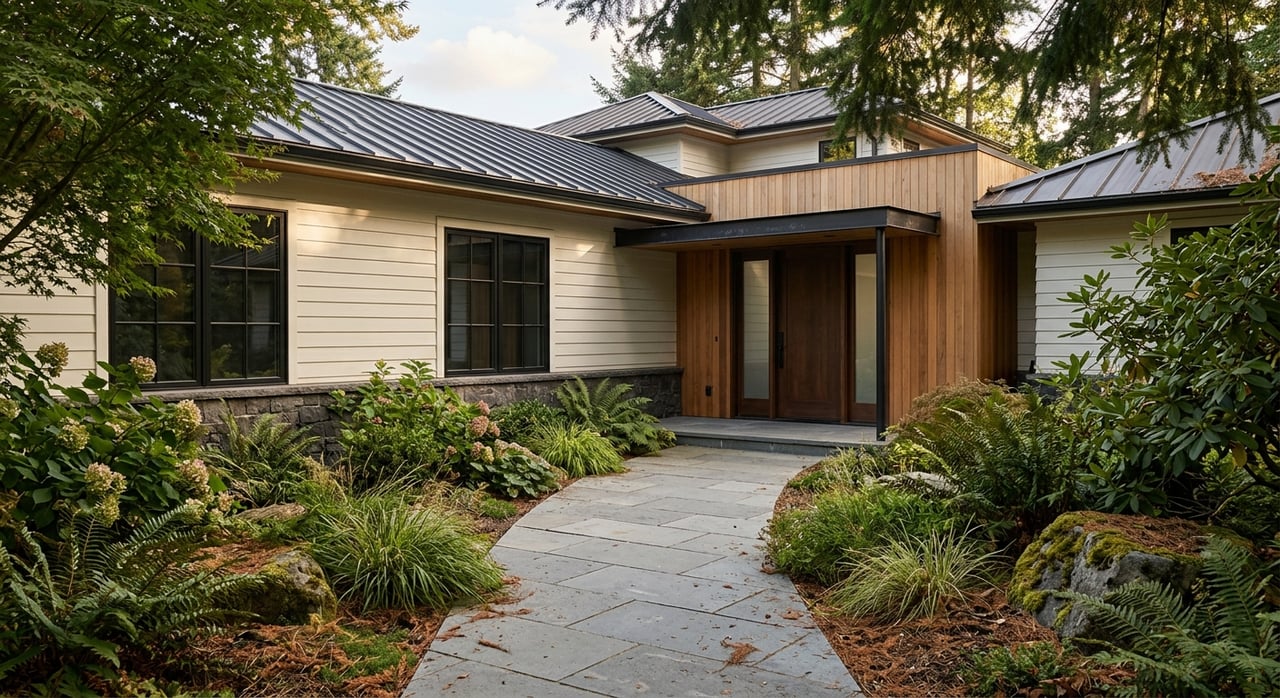
West Linn offers a mix of historic character, hillside settings, and a range of housing types that includes single-family homes, townhomes, condos, and luxury properties. In and around the Willamette Historic District, the architectural story includes Victorian and early-20th-century homes.
That variety can be appealing if you want options beyond one dominant neighborhood pattern. You may be looking for a view-oriented setting, an older home with character, or a property that feels closely tied to the landscape.
Lake Oswego’s housing stock also spans a wide range, from downtown condos and townhomes to lake-adjacent luxury homes and estate-style properties. The city’s history notes early English Cottage and Tudor Revival influences, with development around Oswego Lake accelerating in the 1940s and 1950s.
Today, many buyers are drawn to the city’s strong neighborhood-by-neighborhood identity. If you like the idea of narrowing your search based on a specific community feel, Lake Oswego often makes that process easier to picture.
Budget and timing matter, especially when two cities sit in the same premium tier but move at different speeds.
As of Redfin’s March 2026 market snapshot, the median sale price is $775,000 in West Linn and $862,500 in Lake Oswego. Median sale price per square foot is $323 in West Linn and $380 in Lake Oswego.
The pace of the market also differs. Redfin reports West Linn as somewhat competitive, with homes receiving about two offers on average and selling in around 77 days. Lake Oswego is also somewhat competitive, with about three offers on average and homes selling in around 22 days.
In practical terms, West Linn may offer a slightly lower current price benchmark and a bit more breathing room in the timeline. Lake Oswego currently commands a higher price point and is moving faster.
If you are still torn, it helps to frame the decision around daily life instead of broad reputation.
The smartest way to choose between West Linn and Lake Oswego is to compare more than one factor at a time. Commute route, school boundary, water access, neighborhood feel, and home style all shape whether a move feels right after the boxes are unpacked.
That is where a guided, local comparison matters. When you line up your budget, timeline, and lifestyle goals against what each city actually offers, the right fit usually becomes much clearer.
If you are planning a move and want help narrowing the decision, Wings NW Real Estate can walk you through the options with clear, local guidance tailored to how you want to live.

A Northwest Tradition Worth Discovering





Camas Plein Air

work with us
Ready to love where you might land next? Contact us!

19363 Willamette Dr #161 West Linn OR 97068 701 NE 136th Ave, 2nd Floor Vancouver, WA 98684