Getting A Vintage Sellwood Home Ready For Market
July 2, 2026
July 2, 2026
Wondering how much to update before you list a vintage Sellwood home? That question matters more than most sellers expect, because in Sellwood-Moreland, original charm is often part of what draws buyers in. If you want to protect value, avoid unnecessary work, and present your home with confidence, the right plan starts with smart prep, not a full overhaul. Let’s dive in.
Sellwood-Moreland is known by the City of Portland for walkable, tree-lined streets, historic homes, river access, and abundant parks. In a neighborhood like this, buyers are often responding to more than square footage alone. They are also noticing the details that make an older home feel distinct and memorable.
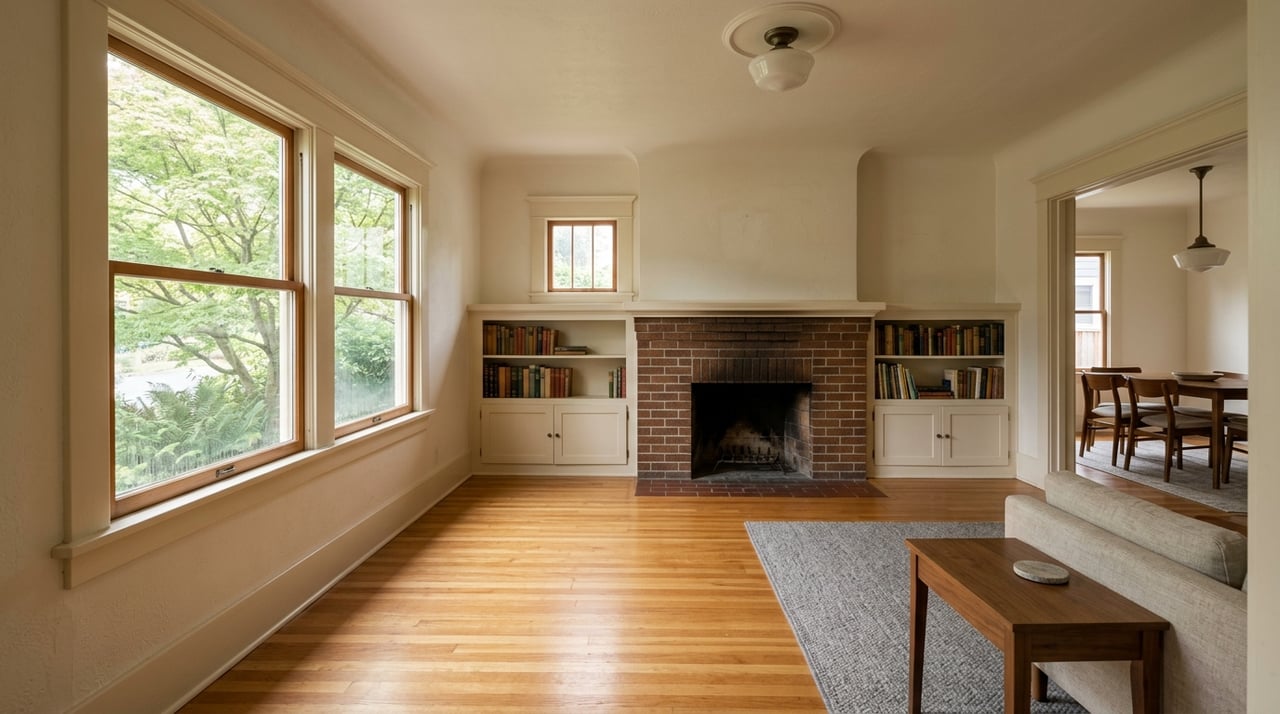
That means your pre-listing strategy should not treat original features like obstacles to modernize away. Visible period details such as wood trim, porch elements, and older windows can help tell the story of the home. The goal is to preserve that character while removing signs of deferred maintenance or visual clutter.
Before you paint, stage, or schedule photos, it helps to gather the facts about your home. Vintage properties tend to come with more questions from buyers, especially around repairs, permits, and major systems. Getting organized early can make the sale process smoother.
In Oregon, most sellers of residential property must complete and deliver the statutory Seller’s Property Disclosure Statement. Buyers who receive it generally have five business days to revoke their offer unless they waive that right. Oregon guidance also says sellers should disclose known material defects that are not readily apparent and answer based on actual knowledge, not guesswork.
A helpful pre-listing file often includes:
For an older home, this paper trail can be especially useful. Buyers often want proof that repairs and updates were done properly and permitted when required.
If your home is going on the market, you should assume buyers will investigate its condition carefully. Oregon REALTORS notes that sellers should expect one or more professional inspections. Buyers may also use inspection contingencies to request repairs, renegotiate, or withdraw.
If you order a pre-listing inspection, make sure you understand its scope. Oregon guidance notes that not every inspection automatically covers the roof, heating and cooling, or every major component. A clear understanding up front helps you avoid false confidence.
With a vintage home, the best update is often a thoughtful repair. Preservation guidance from the National Park Service says historic windows are nearly always important to a building’s character, and it emphasizes retaining existing form, features, and materials when possible.
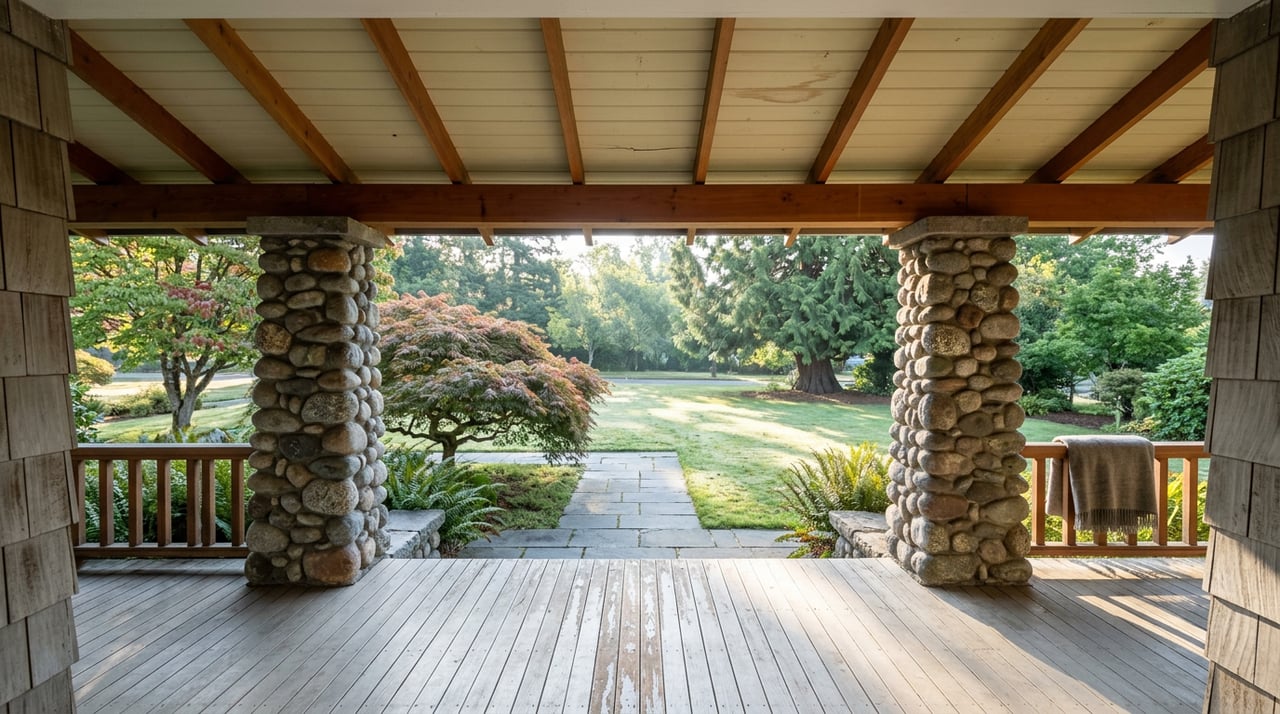
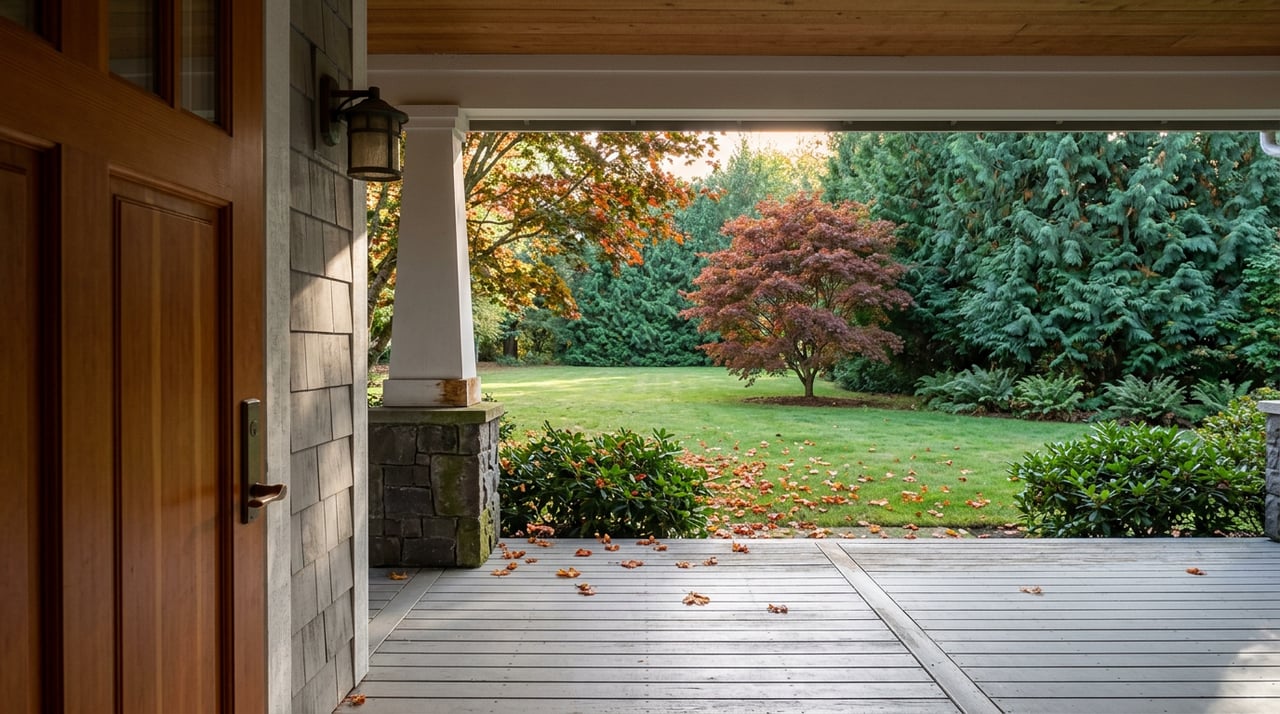
That repair-first mindset can apply beyond windows. If original trim, porch details, or other visible elements are still serviceable, preserving them can support the home’s appeal. If replacement becomes necessary, compatibility with the home’s historic character matters.
Before listing, pay close attention to features that influence first impressions and inspection results. Buyers tend to notice peeling paint, sticking windows, worn thresholds, damaged trim, and neglected exterior details right away. Those issues can make an otherwise charming home feel harder to trust.
A practical plan is to repair visible defects, improve function, and freshen surfaces without stripping away the home’s personality. In many cases, that creates a stronger result than a trendy update that looks out of place.
If you are selling within the next 6 to 12 months, the data points toward selective improvement rather than a major remodel. The 2025 Pacific-region Cost vs. Value report showed especially strong resale performance for smaller, visible projects.
Here are a few standout examples from that report:
By comparison, major kitchen remodels performed far worse. A midrange major kitchen remodel recouped 57.2%, and an upscale major kitchen remodel recouped 38.8%.
For most vintage Sellwood sellers, that suggests a simple strategy. Put your money into visible, lower-friction improvements rather than expensive, time-consuming renovations that may not pay you back.
That can include cosmetic refreshes and repairs that make the home feel cared for while keeping its architectural identity intact. A minor kitchen update may make sense. A full rework just before sale often does not.
Some pre-listing projects are straightforward. Portland’s permit guidance says work such as painting, storm windows, gutters and downspouts, siding repair, reroofing with similar-weight material, and replacing doors or windows without changing the opening size generally does not require a building permit.
Still, vintage homes deserve a little extra caution. Even if a project seems cosmetic, the rules can change if the property is a designated historic resource or sits in a historic district or overlay.
Portland says certain alteration, addition, demolition, relocation, and new-construction proposals involving historic resources are subject to land-use review before construction. The city also notes that even work that does not require a building permit may still need zoning or historic-resource review in some situations.
If your home has any historic designation or overlay status, it is wise to check early before making exterior changes. That step can help you avoid delays and protect your timeline.
Portland’s guidance is also clear on trade work. Adding a bathroom can require a building permit plus plumbing, electrical, and mechanical permits. The city further states that if a home is intended for sale, lease, rent, or exchange in the near future, electrical work must be done by a licensed electrical contractor rather than the owner.
For sellers, this is another reason to be strategic. The more your project moves beyond surface-level prep, the more important it becomes to verify requirements before work begins.
If your home was built before 1978, lead-based paint rules are part of the sale process. Federal law requires lead-based paint disclosure before sale, including any known records and reports, the EPA pamphlet, and a 10-day opportunity for a paint inspection or risk assessment unless that opportunity is waived.
This also matters during prep. If renovation work disturbs lead-based paint, EPA rules require certified firms and lead-safe work practices. For an older Sellwood home, this can affect what you tackle yourself and what should be handled by a qualified contractor.
Staging works best when it helps buyers understand the home quickly. In the 2025 home staging profile, 83% of buyers’ agents said staging made it easier for buyers to visualize the property as a future home.
For a vintage property, that often means keeping the presentation restrained. You want buyers to notice room proportions, woodwork, natural light, and original details, not feel distracted by too much furniture or decor.
According to the same 2025 staging data, the rooms most often identified as important to stage were:
Sellers’ agents most often staged the living room, primary bedroom, dining room, and kitchen. That tracks well with older homes, where these rooms often carry much of the architectural charm buyers remember.
The most common staging recommendations were:
These basics matter because they help buyers read the home clearly. In a vintage listing, clean surfaces, open sightlines, and good lighting can make original character feel elevated rather than busy.
Professional media should be part of your plan, not an afterthought. In the 2025 staging survey, sellers’ agents said photos were important in 88% of cases and videos in 47%.
That means your decluttering, cleaning, and staging should happen before photography is scheduled. Online presentation is often a buyer’s first showing, especially in a neighborhood where curb appeal and charm drive interest quickly.
Selling an older home usually goes more smoothly when you have practical experts lined up early. Depending on the property, that may include a home inspector, a lead-safe contractor, and trusted trade professionals for roofing, plumbing, electrical, carpentry, or window repair.
This kind of support is not about over-improving the home. It is about identifying issues, documenting repairs, and making sure the work you do complete is handled correctly. For a vintage Sellwood listing, that balance can protect both your timeline and your negotiating position.
If you want a clear path forward, keep the strategy simple. Document what has been done, repair what buyers are likely to inspect, preserve original character where possible, and spend carefully on updates with a proven resale payoff.
That approach fits the way buyers often respond to vintage homes in Sellwood-Moreland. It also helps you avoid sinking time and money into changes that do not support your sale.
When you are getting ready to list, the goal is not to erase the age of the home. It is to present its best version with clarity, care, and confidence. If you want help building that plan, Wings NW Real Estate can guide you through staging, prep, and the steps that matter most before your home hits the market.

Camas Plein Air




work with us
Ready to love where you might land next? Contact us!
19363 Willamette Dr #161 West Linn OR 97068 701 NE 136th Ave, 2nd Floor Vancouver, WA 98684